THE TRUE UNTOLD STORY OF THE MOVIE BLOODSPORT
The story begins with Mark DiSalle, the producer of Bloodsport, and his involvement in the Big Brother program in Los Angeles. Assigned as a mentor to a young boy named Rico, whose challenging upbringing led him to showcase his breakdancing skills for survival on the streets of Venice Beach. However, what truly ignited Rico’s spirit was his deep-seated love for ninjas.
“Bloodsport: A Journey from Little Brother’s Influence to Cinematic Icon”
As a child, I had the chance to meet Mark DiSalle, the future producer of Bloodsport, through his involvement in the Big Brothers program in Los Angeles. He was assigned as my mentor after my parents’ divorce, and he eventually became something of a father figure to me. When we met in 1984, I was 10 years old and breakdancing for money in Venice and Santa Monica. My three favorite movies were Kill or Be Killed, The Karate Kid, and Breakin’, which featured an appearance by Jean-Claude Van Damme, whom I would later get to know very well. I also had a deep love for ninjas. Mark knew this, and at the time he was specifically looking to produce a film. He came from a background in finance and entertainment, particularly music, and he was passionate about martial arts cinema.
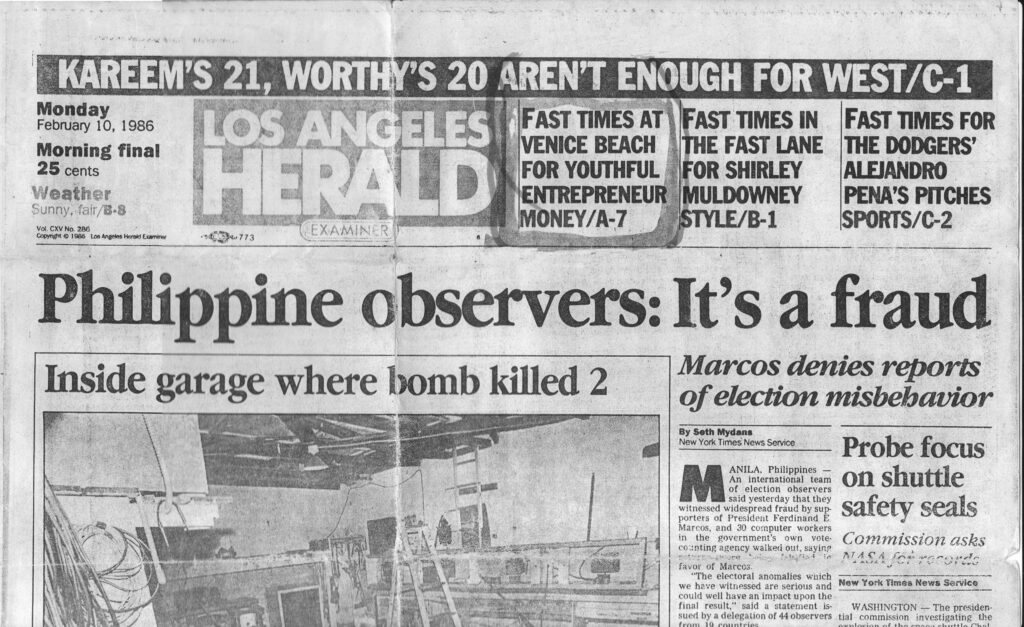
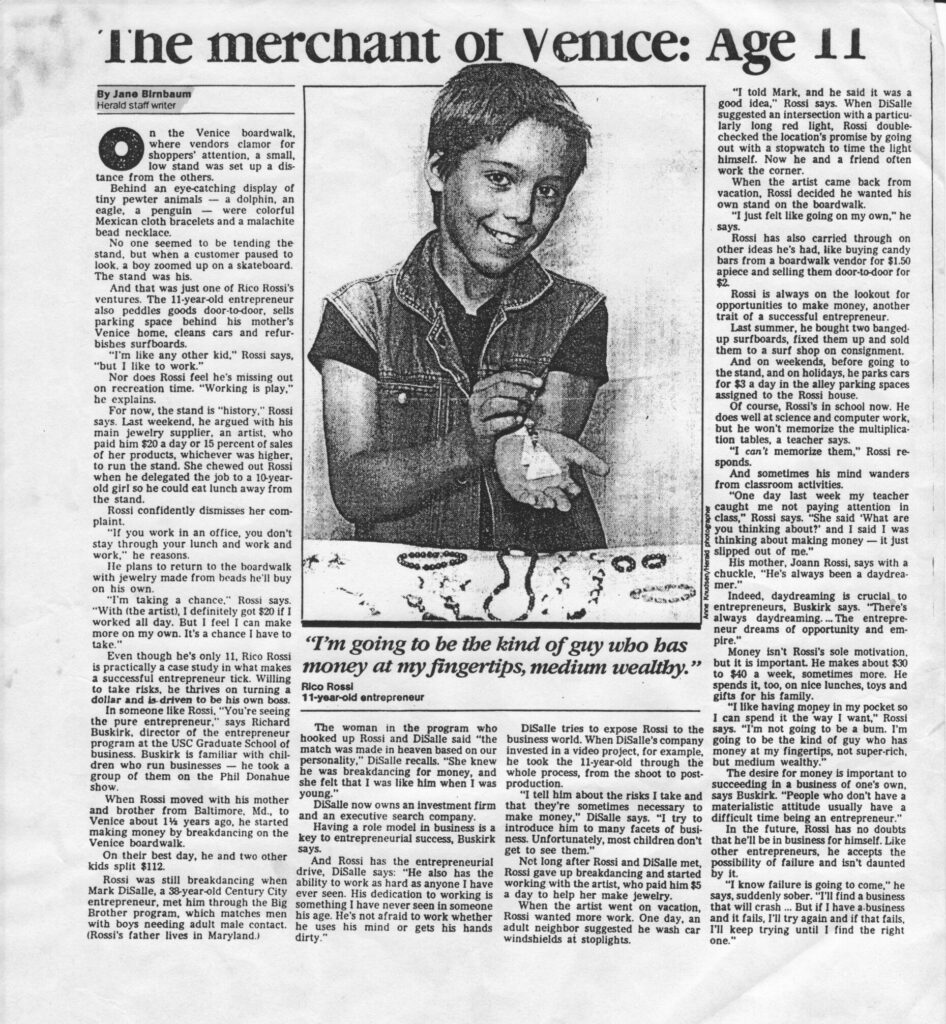
Sheldon Lettich met Mark while he was editing a pilot for a children’s story show called The Imagination Library, in which I appeared. It was a lady named Martha Stevens sitting in front of a green screen and storytelling tales and fables to a bunch of children. Sheldon, for his part, was editing a student short film and had shown Mark some of his writing, which did not resonate with him.
One day, Sheldon called Mark and asked if he wanted to meet a real ninja. Mark agreed, on the condition that I could come along. That decision led to the crucial meeting with Frank Dux, the man whose story would inspire Bloodsport.
Mark picked me up, and we drove up the 405, over the hill into the Valley, to Dux’s dojo, where Sheldon was waiting for us. We watched a training session, and then Frank showed us many ninja techniques. It might seem funny today, but at the time I was very impressed. Frank also shared captivating stories about his experiences at the Kumite, a secret martial arts tournament.
Mark liked the idea of adapting Frank’s story, so he engaged him and Sheldon, and the three of them began putting a script together. Mark had me read the new pages as they were written. The script evolved significantly between the early versions and the final screenplay. Sheldon wasn’t the right guy to deliver Frank’s story, but he pressured Frank into believing he could take Mark away if Frank didn’t give Sheldon the “Story by” credit. It was a real weasel move. In the meantime, two other writers, Mel Friedman and Christopher Cosby, stepped in to rework Sheldon’s material.
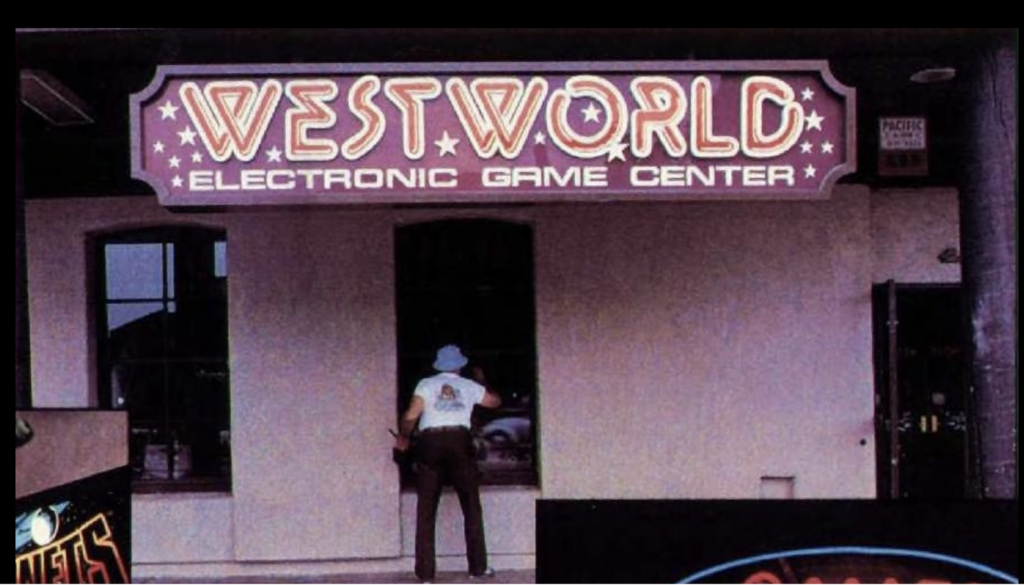
Every Saturday, I would skateboard from my house at 429 Rialto Avenue, cut across the Venice Canals, and make my way to Mark’s Oakwood apartment on Via Marina. Then we would drive five miles up Washington Boulevard in Mark’s black Jaguar XJ6 to a huge martial arts supply warehouse, where we would buy Black Belt and Karate magazines, along with ninja stars—lots of them. Three-point, four-point, and six-point stars. Mark had a massive collection and had lined the wall at the end of his hallway with three large redwood planks where we would stand and practice throwing them. After that, we would go see a movie at the United Artists cinema in Marina del Rey, then head over to Westworld for pizza and a $10 roll of quarters so we could fight for twenty matches of Karate Champ. That, by the way, is the real reason Karate Champ ended up in Bloodsport.
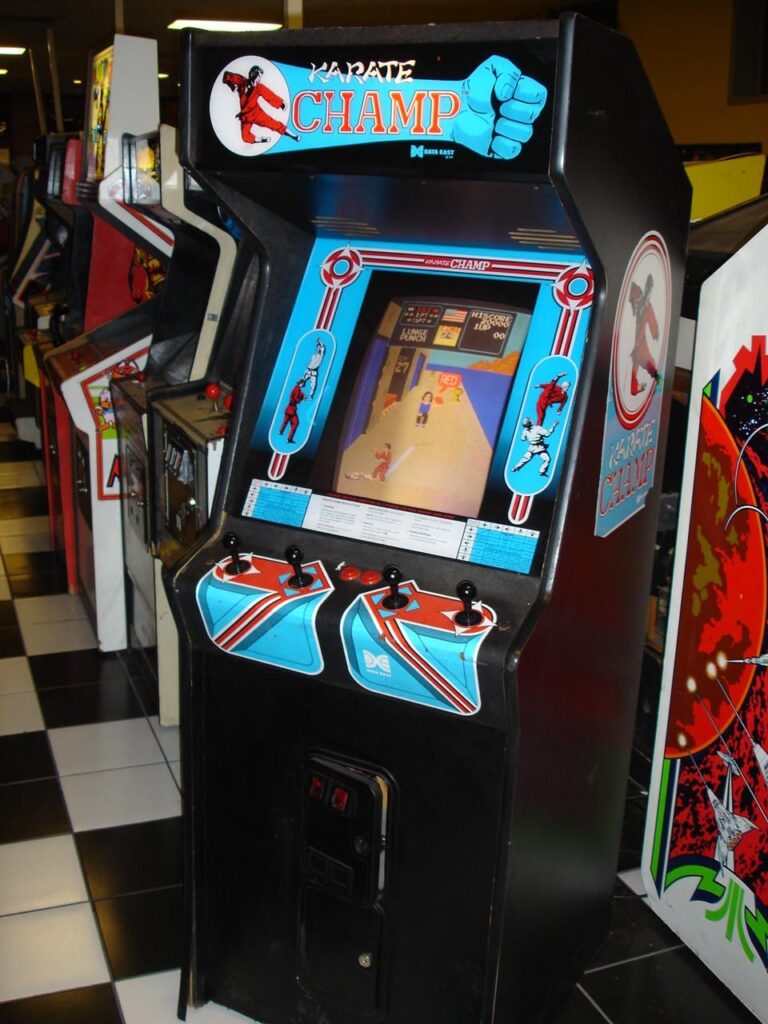
“Every Saturday, Mark and I would watch a movie at United Artists Cinemas Marina Del Rey then go to Westworld for pizza and a $10 roll of quarters to fight for 20 games. That is the real reason Karate Champ was put in the movie Bloodsport.”
Mark had made connections at Cannon, and Menahem Golan approved the project with a budget of just over two million dollars. Even so, they still needed to find a star for the film. Mark wanted a fresh, unknown actor for the lead role. One day, Menahem suggested Jean-Claude Van Damme. Perhaps he knew him through Chuck Norris, since Jean-Claude was training with Chuck at the time and may have been the connection between Golan and Jean-Claude. I do not know exactly how they knew each other.
The next Saturday, Mark said we had to go see No Retreat, No Surrender because he wanted to watch Jean-Claude Van Damme’s performance. It is true that Jean-Claude was great in that film, even though he played a villain and did not appear much, but Mark and I liked him a lot.
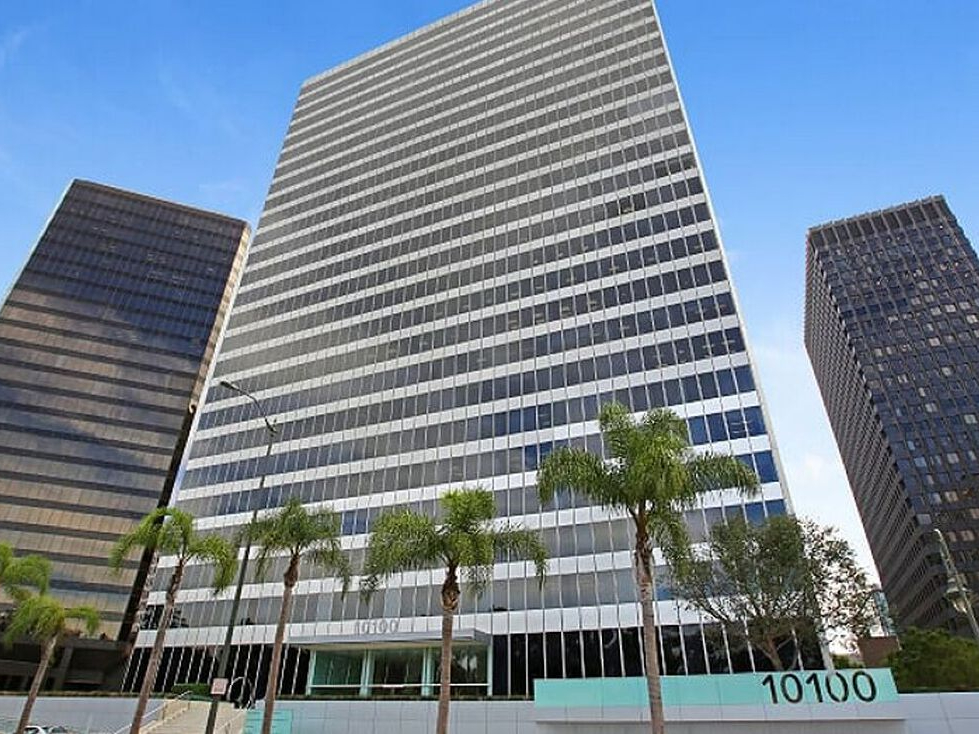
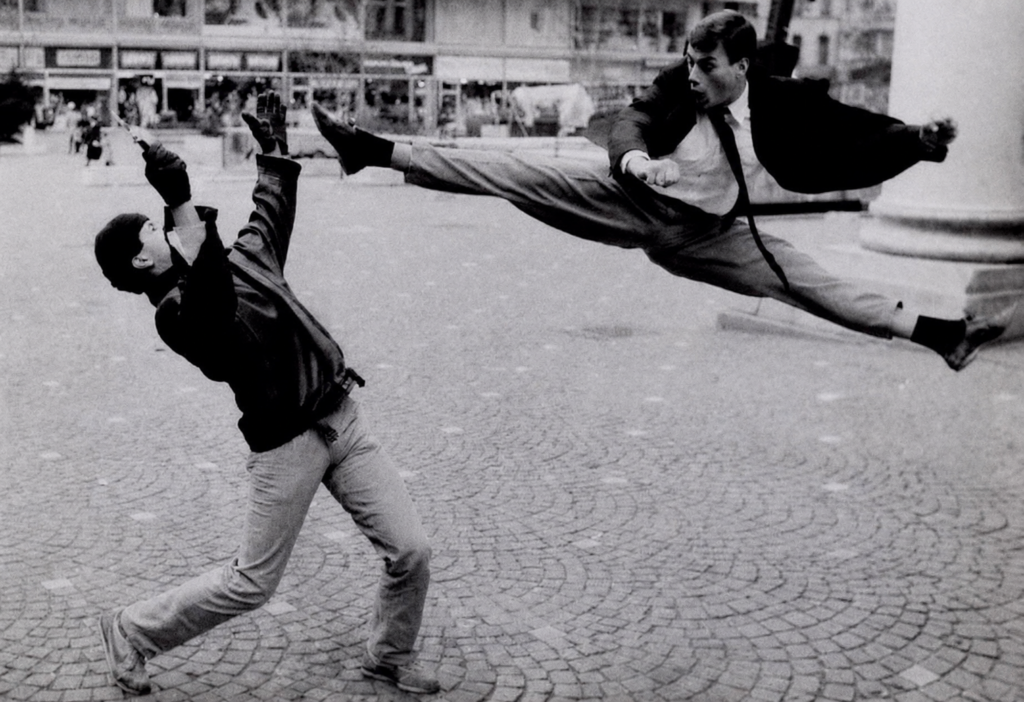
The following week, Jean-Claude and Mohammed (Michele) Qissi were invited to Mark’s office at 10100 Santa Monica Blvd., Ste.2600 in Century City for an audition. I was there along with Mark, his partner George Schortz, and Mark’s secretary, Dina. Jean-Claude and Mohammed did some sparring and showed black-and-white photos of their performances. Then Jean-Claude did the splits between two chairs and finished with a jumping helicopter kick at the level of Mark’s head. That exact moment was truly the deciding factor for Mark. When they left, Mark exclaimed, “Yo! Is this the fucking guy or what?” I know that many versions of how the Bloodsport contract was obtained are circulating today, but I can guarantee that this is the true story of how Jean-Claude got the part.
The whole team left for Hong Kong to shoot the film except for Sheldon, who was no longer wanted or needed. Mark DiSalle was the real boss on that set. Charles Wang of Salon Films was also extremely important to the success of Bloodsport because he had so many connections there and could ensure that the shoot happened. “Uncle Charles,” as I knew him, even negotiated with the Triad so Mark could be the only person ever allowed to film inside the Walled City. It really was a place where it was “time to protect your nuts, guys.” Many of the fighters had not yet been cast. Scouts found them in various gyms and dojos around Kowloon and Hong Kong. Mark already had Bolo Yeung in mind because of his previous work, and casting him as Chong Li was a no-brainer. Finding Paulo Tocha to play Paco added further credibility to the lineup of fighters, as he was an active Muay Thai boxer who competed in arenas throughout Thailand. His authenticity gave the character a level of realism that made it entirely believable he could fight his way into the semi-finals of the Kumite. Frank, Jean-Claude, and Mark, along with David Worth, came up with the fight sequences and shots. David Worth’s cinematography made a low-budget movie look like a Hollywood blockbuster. The Kumite arena still looks and feels as though you are sitting right there. The Runway, as the fighting platform was called in the script, the gold-and-red scoreboard glowing with incandescent lights, and the ever-present command of “More smoke!” all combined to create something unforgettable. Most low-budget films look cheap and artificial, like they were shot on video. David made Bloodsport look real. Cannon Films almost never intervened. There was only one company employee there to make sure the money was spent on production. Mark kept me regularly informed of the production’s progress because I could not go to Asia due to school.
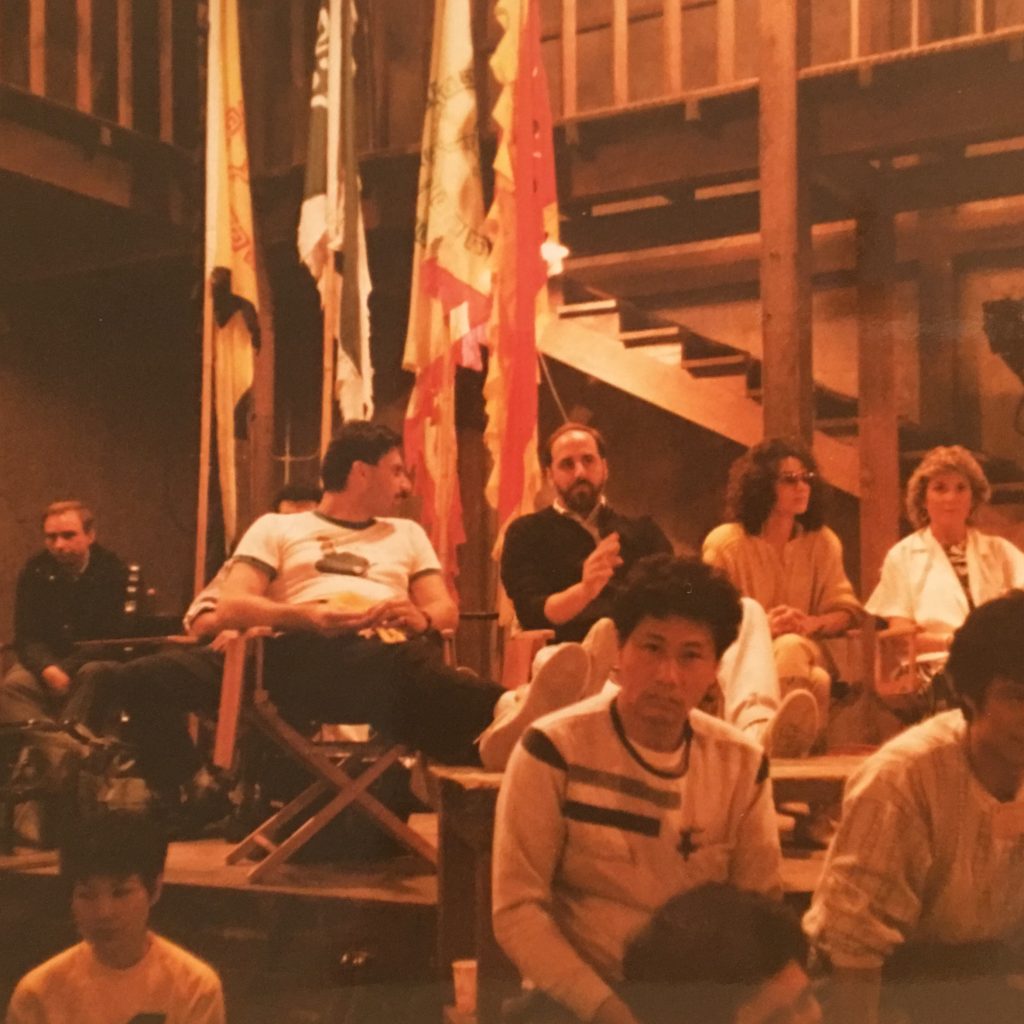
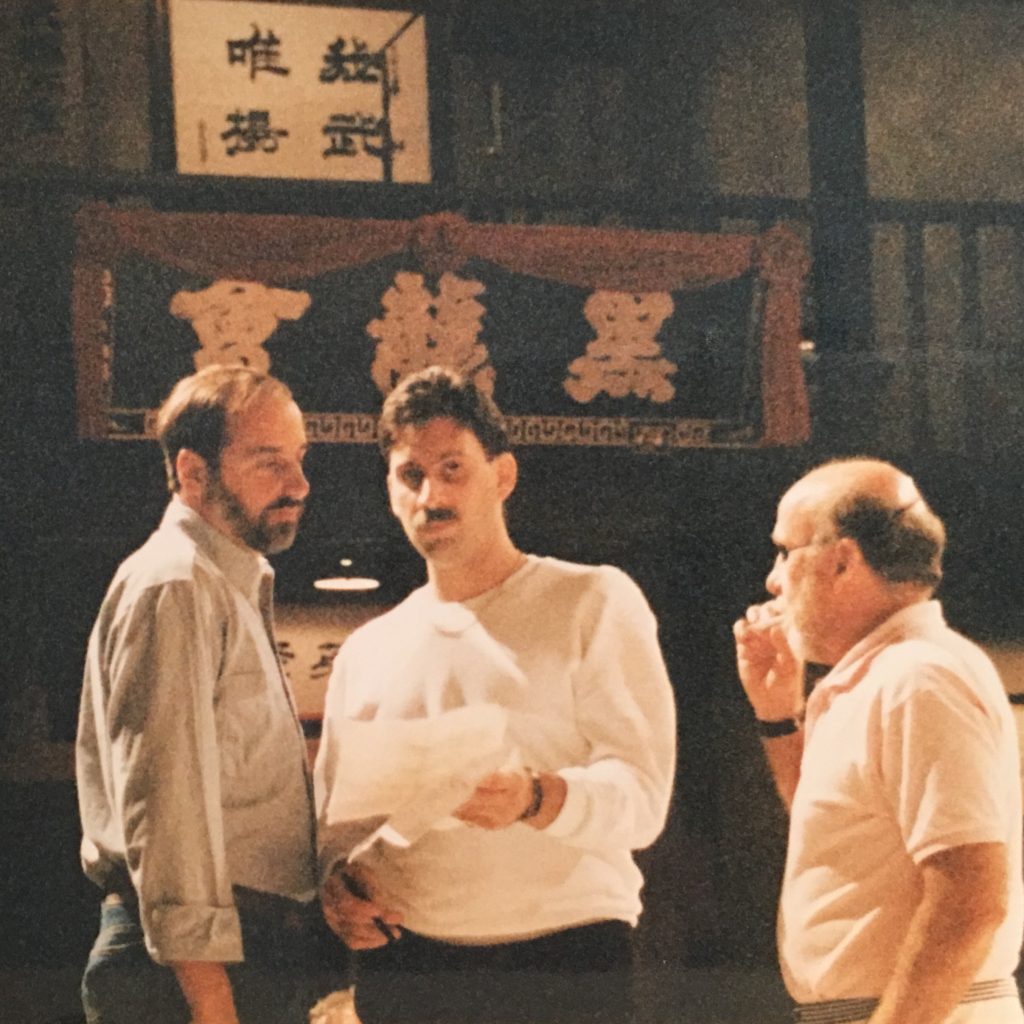
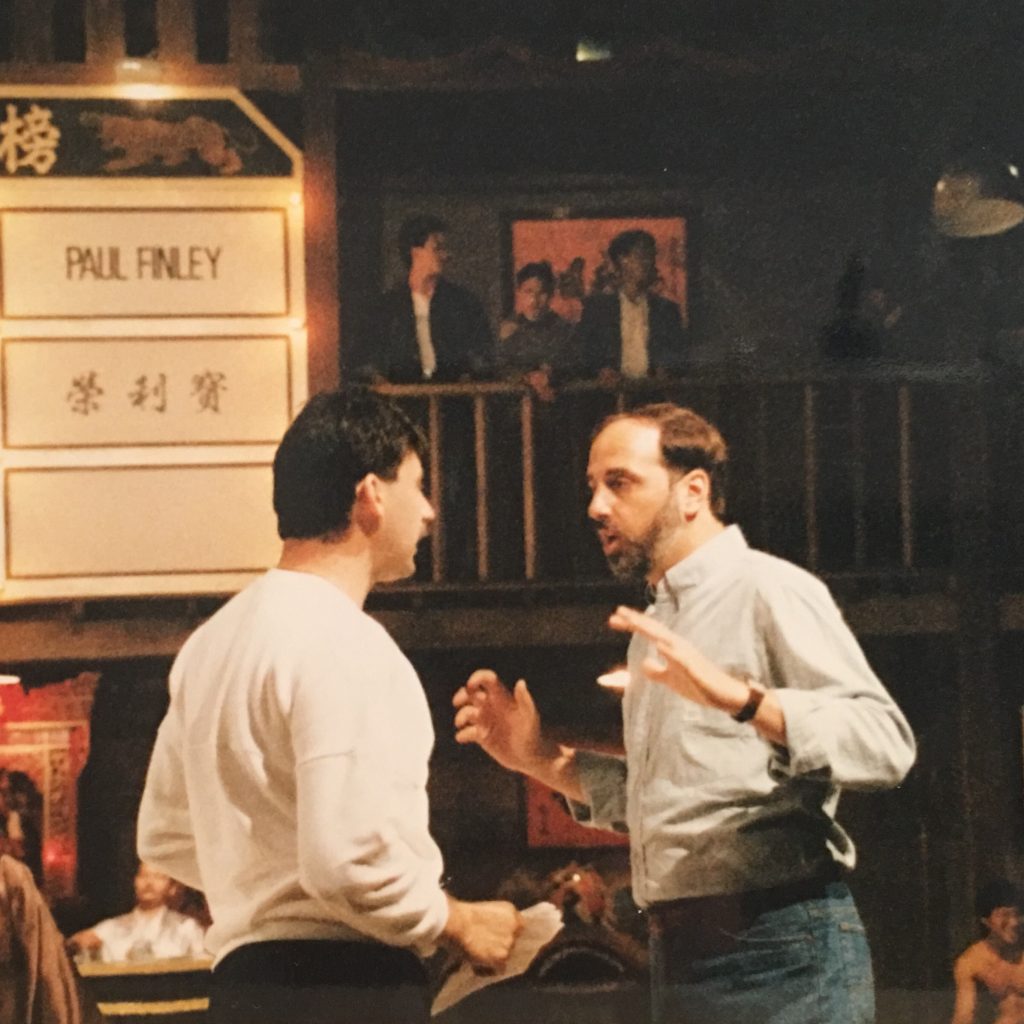
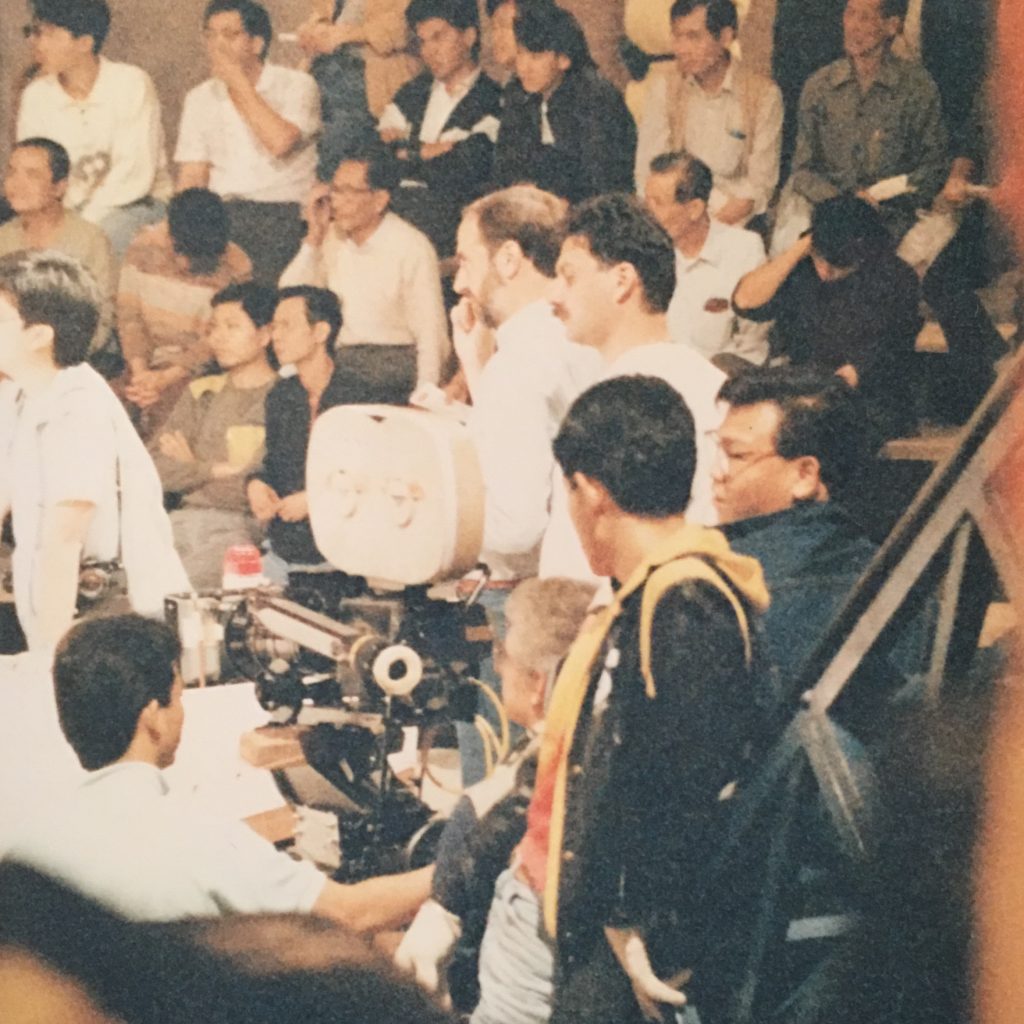
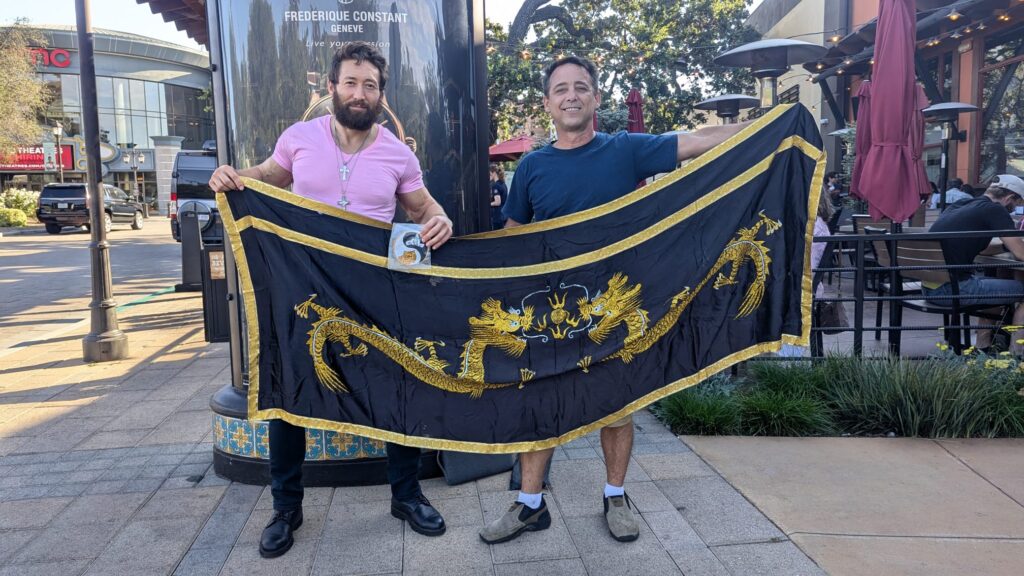
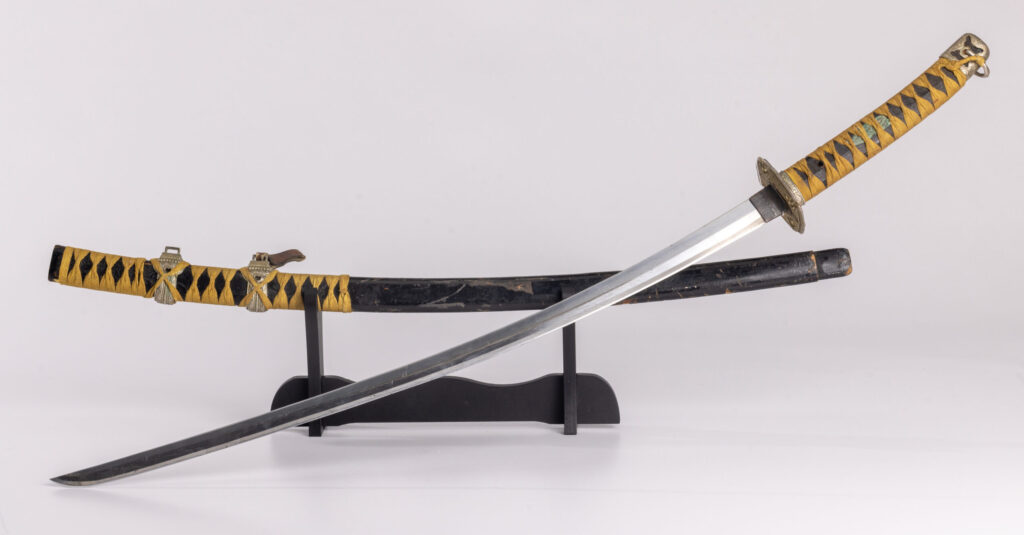
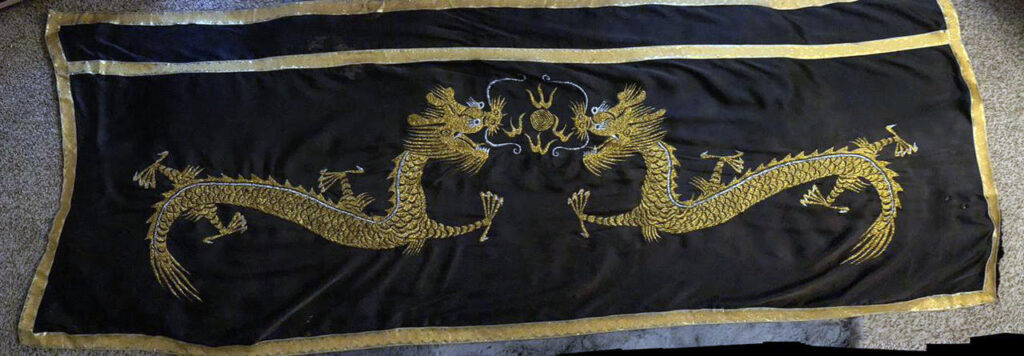
Mark brought me back souvenirs from the film: the katana, the Gold and Black Dragons from the Kumite judges’ table and some other items.
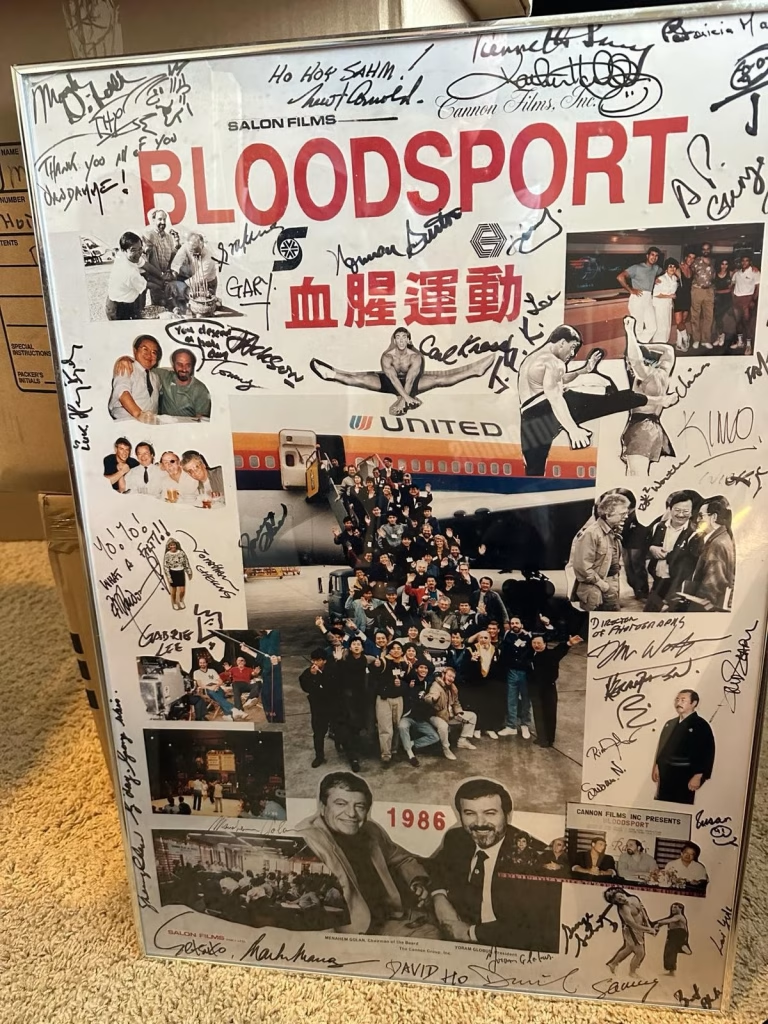
The editing of Bloodsport is also part of the legend, though much of it has been exaggerated. Yes, there were flaws, particularly in the fight scenes, because Carl Kress was not a specialist in that kind of editing. So Mark and Jean-Claude reworked the cut, but it was never anywhere near as terrible as people often claim. One scene in particular that had to be cut came during the match between Pumola the Wrestler and Morra, the “Monkey Style” kung fu fighter. Just before raising his hands in victory, Pumola reached down, jammed two fingers into Morra’s nose, ripped it from his skull, and hurled it into the crowd. You can still see the moment where the scene cuts abruptly to Janice’s face, looking like she is about to be sick.
Mark brought me to the editing studio on several occasions, where I would sit there watching Mark and Jean-Claude, absorbing everything I could. Before long, I was practicing on an unused Moviola machine, cutting and taping together strips of discarded film that I had pulled from the dumpsters out back. I also spent a day with Paul Hertzog at his music studio, where he gave me an introduction to the art of composing film scores. The music in Bloodsport is another vital piece of what made the film so unforgettable. Paul created a fusion of mystical sounds and songs that reaches deep into the soul, evoking feelings of anticipation, suspense, fear, excitement, and ultimately a triumphant joy.
When the cutting was finished and the music had been composed, Mark took me through the mixing process at a sound studio in Los Angeles. Back then, there were no digital sound files that could be stored by the thousands on a hard drive. This was the era of a fifteen-foot-long mixing board in a small theater, where Mark and the sound engineers would sit for weeks shaping the final soundtrack. Hundreds of sound effects were stored on 35mm reel-to-reel magnetic film in a library of sounds, with an entire row of playback machines in a room beneath the board. Through a speakerphone would come the command: “Load up car noises.” The engineer would then place a different reel of Mag stock on each machine, each one containing a set of effects, and patch their signals into the mixing board. Up on the screen, the film would be projected while the mixer searched for the right sound, adjusting knobs and sliders in real time to match the action. The same scene would play over and over: “Rewind… a little louder… no, not that one, try another… again.” This would go on for hours. Every little sound you hear in a movie is there because someone deliberately put it there. And if they didn’t already have the sound they needed, it could be recorded on the spot. Down in front of the screen was a Foley stage, where footsteps could be made on different surfaces or objects could be struck to create just the right effect. The punching and kicking sounds, although not recorded there, came from recordings of someone hitting the carcass of a butchered pig.
When Helmer and Rawlins, the two CID agents, met with Inspector Chen at the Hong Kong police station, the original dialogue had to be changed. The solution was simple. Rawlins says, “Here’s a picture of the man we’re looking for. His name is Frank Dux.” Helmer begins, “We have reason to believe Frank is here—” and just then a car horn blares, “Beep, beep, beep, beep,” covering the line “in Hong Kong.”
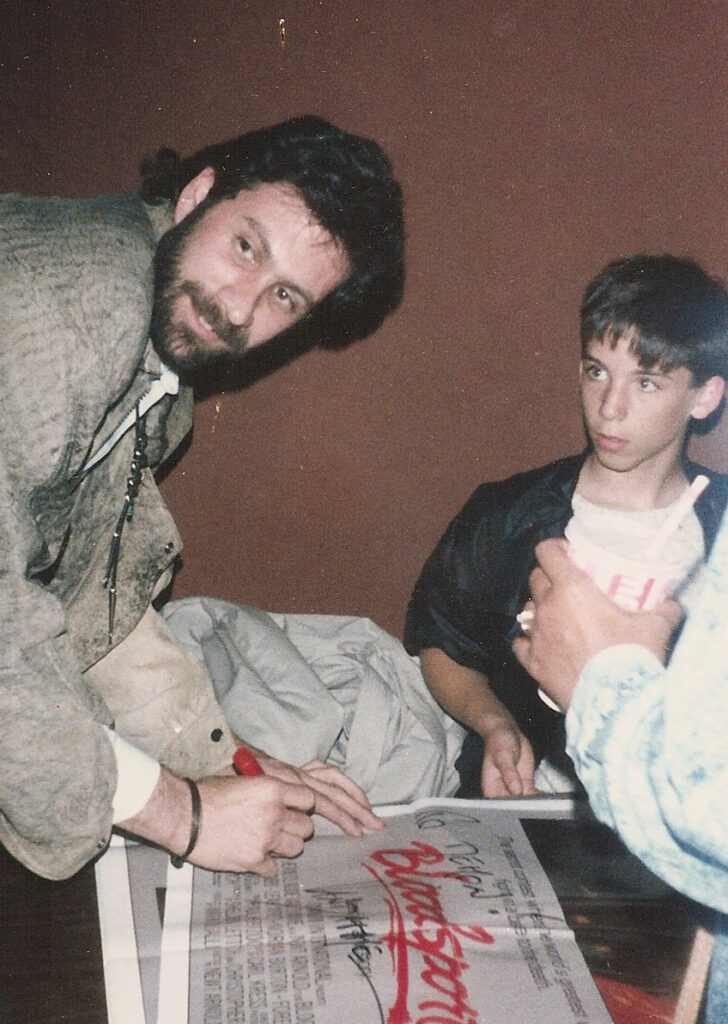
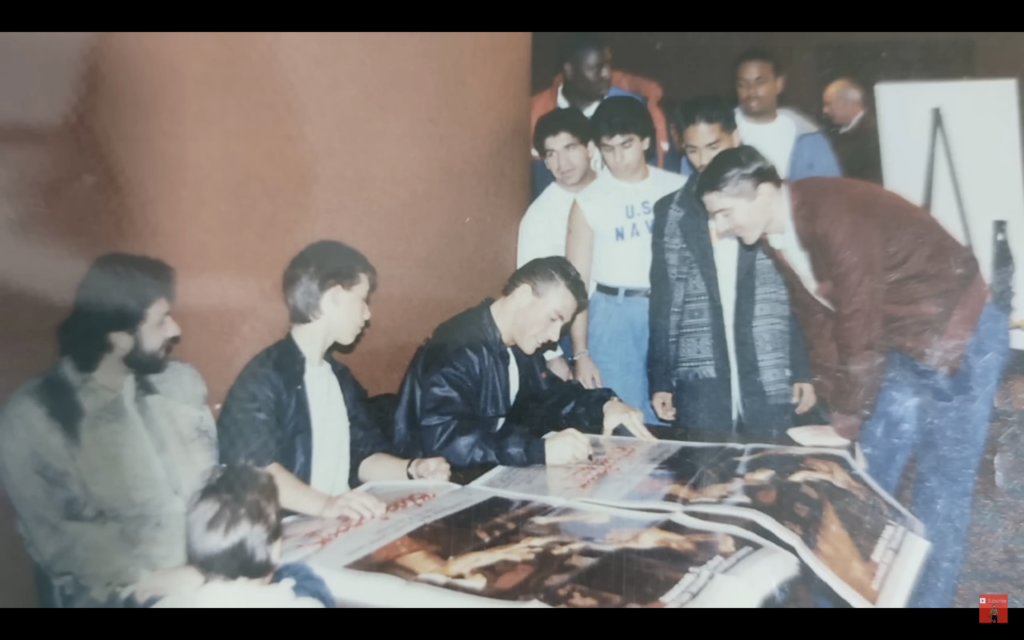
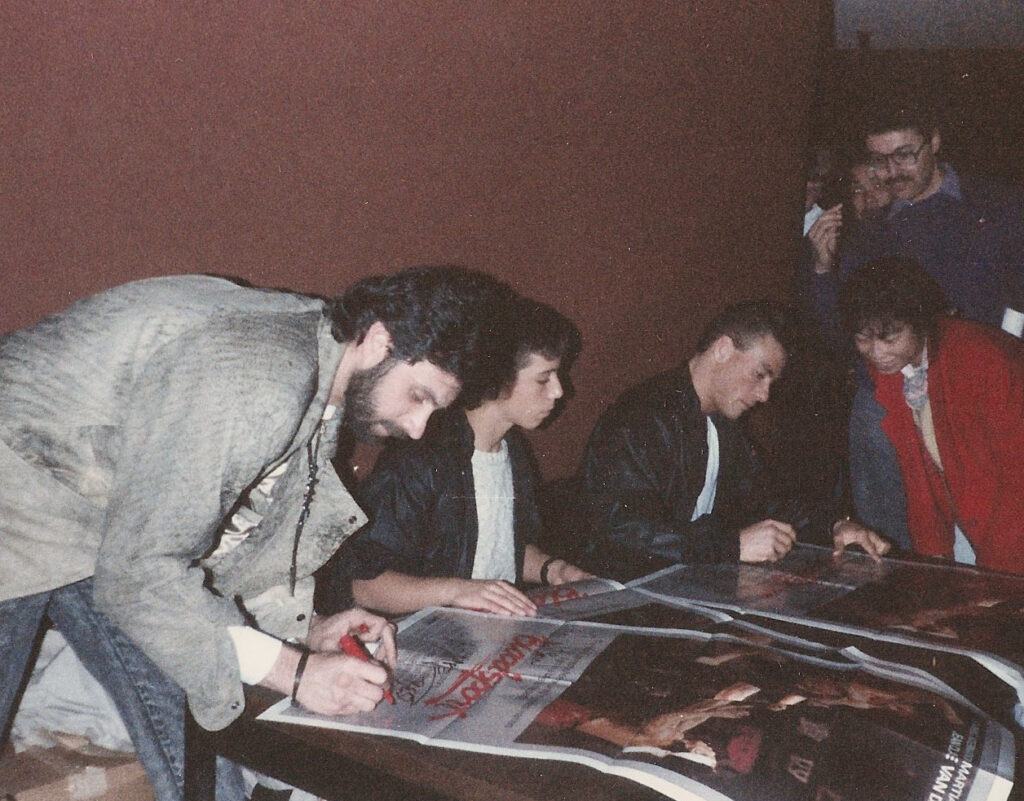
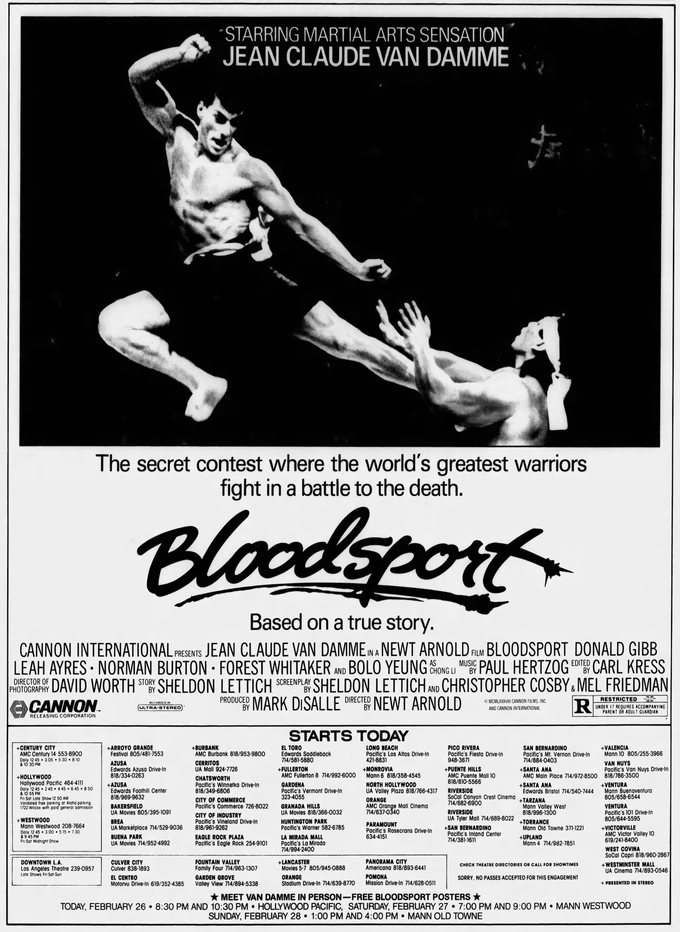
The first screening took place at the Cannon offices on San Vicente Boulevard, and everyone was there: Jean-Claude and his wife Gladys, Mohammed Qissi, Paulo Tocha, Don Gibb, Forest Whitaker, and others. I remember that Chuck Norris, who had not been invited to the screening, tried to slip into the room to see the film, but security guards stopped him from entering. Mark went outside, and they asked him whether Chuck Norris could come in. Mark said no. That was the kind of person Mark was: a man capable of saying no to Chuck Norris, even though Chuck was Cannon’s biggest star at the time. I do not know exactly why Mark refused, but there was likely some friction, since Chuck worked in the same genre and Mark wanted to keep Bloodsport under wraps a while longer. At the end of the screening, everyone applauded, and you could feel that the movie was special. Still, none of us imagined that it would become a cult classic people would still be talking about forty years later. The first domestic opening weekend at Del Amo Mall in Torrance, CA, was also a success, and you can see Jean-Claude and Frank signing movie posters after the film. Paulo Tocha and Mohammed were also there with him taking these pictures after the movie. I am the young boy in those photos, passing the posters to Jean-Claude and Frank.
I also participated in Kickboxer and Death Warrant, Jean-Claude’s other two films with Mark. For Kickboxer, I was able to go to Hong Kong and Thailand to work on the shoot. Jean-Claude, Mohammed, Dennis Alexio, and I would all work out together at the hotel gym, and they would teach me some moves. Dennis was a powerhouse—a real champion kickboxer with multiple world titles to his name. I honestly believed he could have taken on Jean-Claude and Mohammed at the same time and still come out on top. One of his signature spinning backfists, followed by a few kicks to the head, would have done it.
One night, Jean-Claude and I met Bolo Yeung for dinner. When Jean-Claude and I arrived at the restaurant and got out of the taxi, Bolo was standing there. It was my first time meeting Chong Li, the most badass martial arts screen villain of all time—and he absolutely did not disappoint. He stood there in white leather heeled shoes, bright lime green polyester bellbottoms, and a fire-orange silk shirt. At that time, Bolo was one of the most famous people in Hong Kong—not because of Bloodsport, but because he was Mr. Hong Kong bodybuilding champion and had held the title for about 10 consecutive years in the 1970s. Oh, and he was in a little movie with Bruce Lee called Enter the Dragon. Everyone we encountered that night knew who he was and treated us like rock stars. We were seated at a private table, and the waiter arrived carrying a large tray filled with rows of tiny porcelain tea cups. The tea was poured nearly boiling, and before I could even think about it, Jean-Claude and Bolo were already tossing them back like shots, unfazed. I tried to keep up, but the moment the cup touched my lips, I burned my mouth instantly. They both started laughing as I struggled through it, and Bolo leaned over and, in broken English and with a few gestures, half serious, half amused, told me to hold the tea under my tongue so it wouldn’t burn. I don’t know if it actually worked, but I remember trying it anyway, determined not to fall behind.
While in Hong Kong, I also met the man Jean-Claude Van Varenberg took his stage name from: Alex Van Damme. He was a very successful businessman that Jean-Claude and Mohammed knew from back home. He was in Hong Kong at the time, and Mark, Jean-Claude, Mohammed, and I met him for lunch on his private mega-yacht in Hong Kong harbor. After lunch, there was mention of water skis that were present. Jean-Claude and I got into a discussion of who could water-ski better. We ended up making a wager that I could not water-ski across the harbor. It took what felt like two hours, but with burning legs I made it from the Hong Kong side to the Kowloon side and won the bet.
Looking back, it seems almost unbelievable that at thirteen years old I was in China, working on a movie, with the freedom to roam the city completely unsupervised. I would disappear for hours into Kowloon, wandering through its futuristic electronics stores and toy shops, mesmerized by all the gadgets and treasures that always appeared there long before they ever made it to the United States. By the end of the day, no matter how far I had drifted, I would climb into a taxi and say the only Cantonese I knew—“Tsim Sha Tsui… Fu hou zau dim… dung bin”—and somehow it always got me back to the Regal Meridien Hotel on the east side.
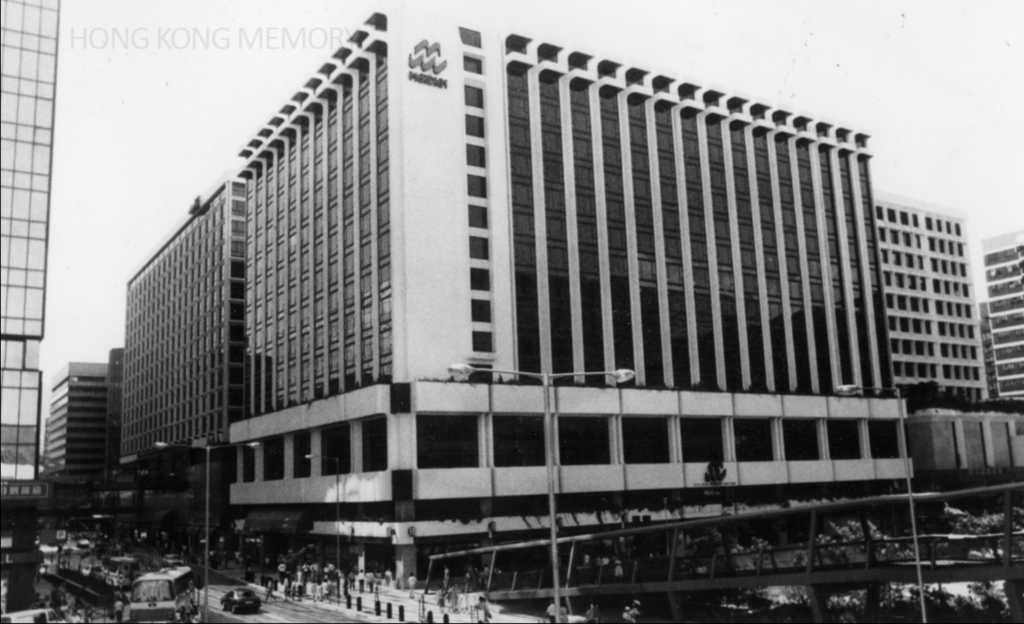
Regal Meridien Hotel (now renamed as Regal Kowloon Hotel) located at 71 Mody Road Tsim Sha Tsui
Finding the right actor to play Tong Po proved difficult, as many wannabe tough guys auditioned but failed to capture the presence the role demanded. Ultimately, it was decided that, given how deeply rooted and culturally significant Muay Thai is in Thailand, casting a Western “round-eye” as the country’s greatest kickboxer just couldn’t happen. Mohammed Qissi was chosen for the role of Tong Po partly because he was tall, he could fight, and, being of Moroccan descent, had a look that could convincingly pass as Thai—but mostly because he was a loyal friend of Jean-Claude. They shaved Mohammed’s head, applied makeup, and sent a screen test tape to Mark, who approved it.
Uncle Charles was there once again, making the impossible happen. Need to build an entire village, or Mylee’s store, out of bamboo in the middle of the jungle? No problem. Script calls for automatic weapons to rip through a warehouse before blowing it to pieces? Done deal. Just as on Bloodsport, without Charles Wang, none of it would have been possible.
Production then moved to Thailand. Mark, Jean-Claude, and I would ride through Bangkok’s canals in long-tail boats, weaving past stilt houses and hidden waterways, then eat lunch off other restaurant boats. We filmed the “Stone City” at Wat Mahathat in Ayutthaya Historical Park, an ancient world of crumbling ruins, towering golden-adorned figures, and enormous Buddha statues draped in vivid yellow cloth. To me, it felt less like a real place than something out of a dream—part sacred temple, part lost civilization.
We also went into real Muay Thai training camps, where orphaned boys from the streets were brought into a life devoted entirely to fighting. The gym was a large open-air warehouse, crowded with eighty to one hundred fighters, and a ring at its center, the constant rhythm of training all around it. Boys of all ages were there, many of them much younger than I was. Their entire lives were built around one goal—to train, endure, and ultimately win in the ring.
Attending real pro Muay Thai matches was awesome! Fighters would enter the ring and perform a traditional ritual dance before the fight called the Wai Kru Ram Muay. Then the bell would ring, and with their fists held high in the air, they proceeded to punch and kick the hell out of each other. Throughout the cigarette smoke-filled arena, the crowd of spectators created a thunderous roar, yelling, cheering, and betting on their favorite fighters. It was like I was at the real-life Kumite.
Finally, it was time for me to return home to California, where the new school year had already begun a few weeks earlier. I was leaving behind the mysterious world of the Orient, along with the unforgettable moments and places I had shared with the film crew. To top it all off, I was even credited in the end titles as a production assistant.
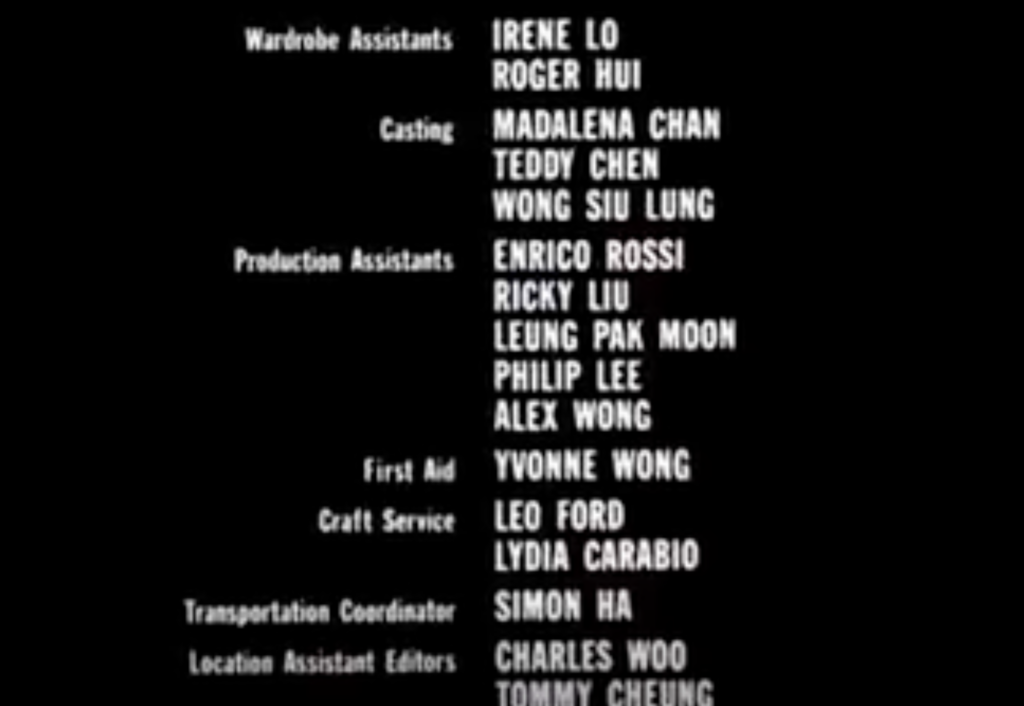
KICKBOXER CREDIT
For Mark’s third film, Death Warrant, I once again worked with Jean-Claude and spent a great deal of time around him. By then I had started assisting the art department, and since I had just gotten my driver’s license, I spent much of my time crisscrossing Los Angeles with a Thomas Guide, delivering scripts and contracts. A large part of the film was shot at the long-shuttered Ambassador Hotel in Los Angeles, which has since been demolished. At one point, I had to measure and recreate a foam model of the delivery docks and parking area that were used as the prison yard. Those docks led straight into the kitchen, to the very doorway where Robert Kennedy had been assassinated. By that time, Jean-Claude and I had started sparring now and then, and he would show me different kicks. He always seemed to be wearing those pointy-toed boots, and every once in a while he’d catch me right in the ribs. I had made the varsity wrestling team as a freshman, and one day, after filming a scene, Jean-Claude came over and started playfully throwing kicks and punches at me. When I got him to clinch up with me, I timed it, shot in, and hit a perfect fireman’s carry. Jean-Claude went head over heels and landed on the ground. The entire set fell silent. For a moment, nobody seemed to know what to do. Then Mark turned and said, “Yo, Rico, don’t hurt our star—it’ll cost a lot of money.” Everybody burst out laughing, and Jean-Claude humbly picked himself up off the ground.
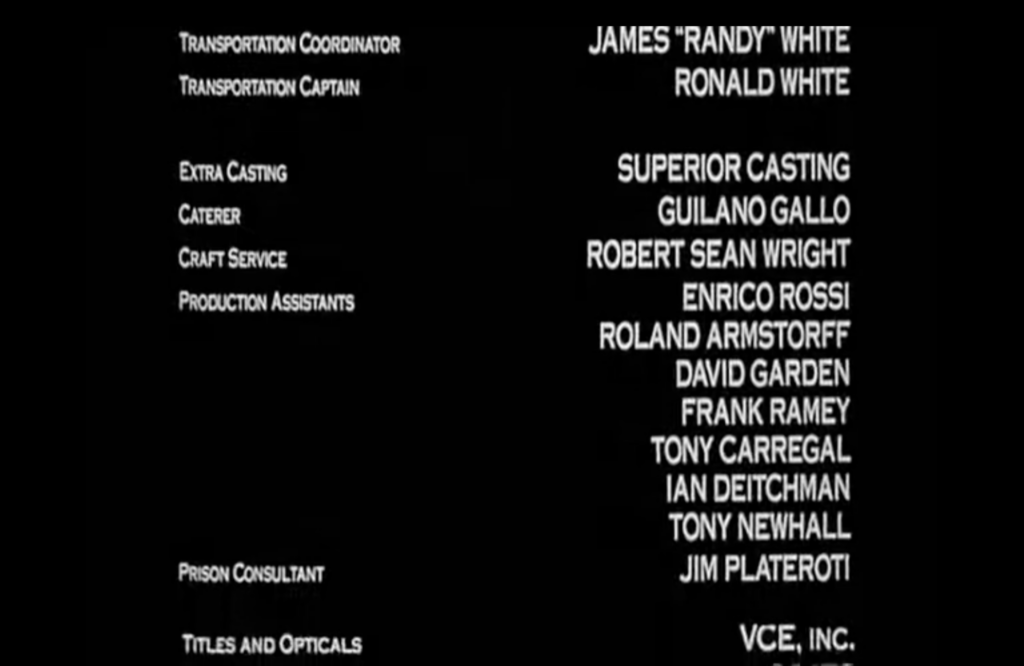
DEATH WARRANT CREDIT
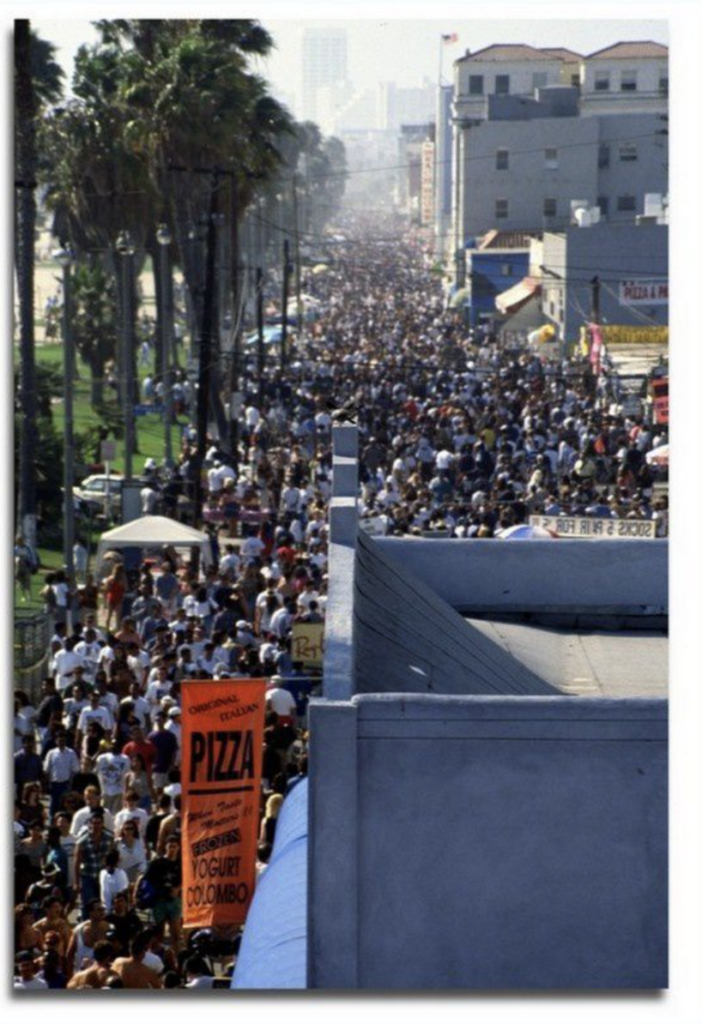
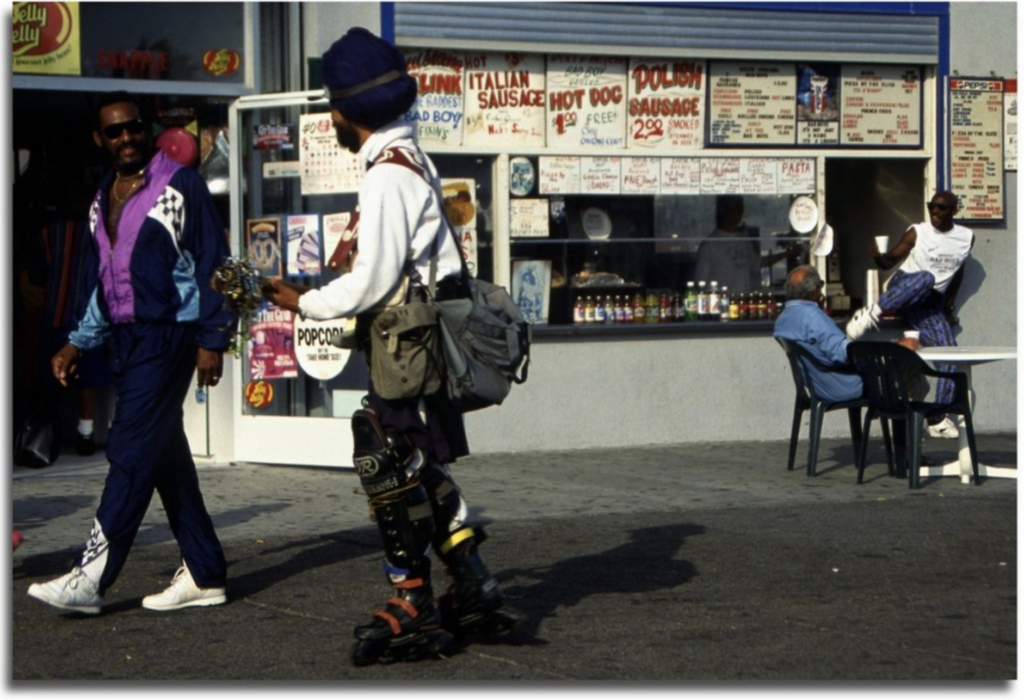
After Death Warrant, Jean-Claude’s three-picture deal with Mark had come to an end. By then, he had become a major action star and gone on to work with Hollywood studios like Universal. I cherish the wonderful memories of the time I spent with Jean-Claude, who was always a very kind person. Gladys and Jean-Claude’s parents were also wonderful to me. The last time I saw Jean-Claude, I was about nineteen years old. Mark had loaned me $10,000 to start a pizza business on the Venice Boardwalk. Not long after it opened, Mark came down to visit and told me he had invited Jean-Claude. Mark and I were standing there eating a slice when Jean-Claude rolled up on a bright yellow Harley-Davidson. Jean-Claude had left Gladys for another woman, Darcy LaPier, and had already begun moving down a darker road.
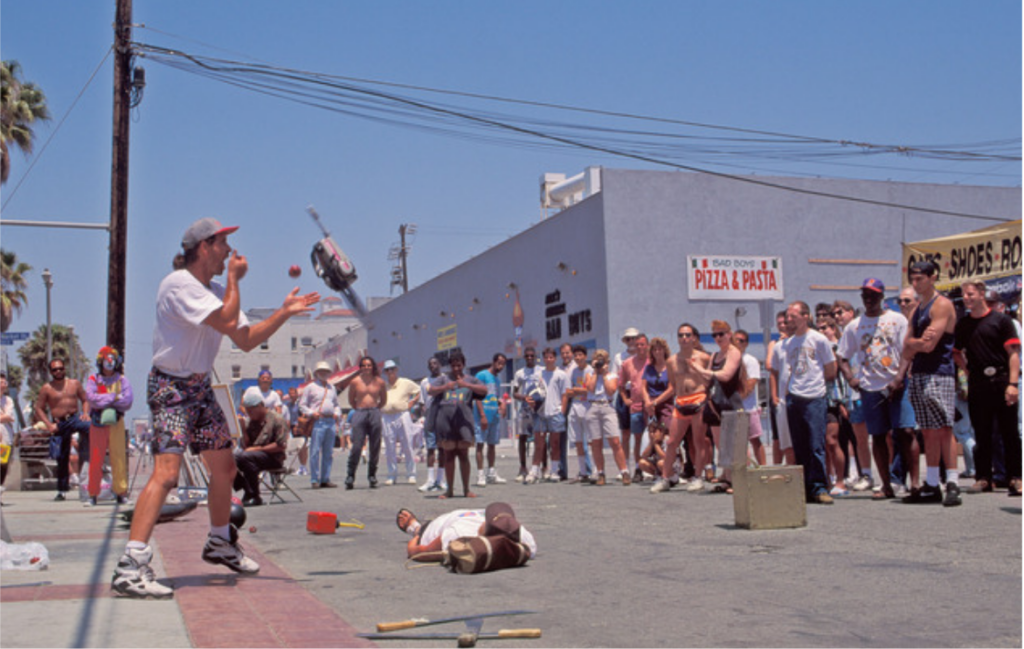
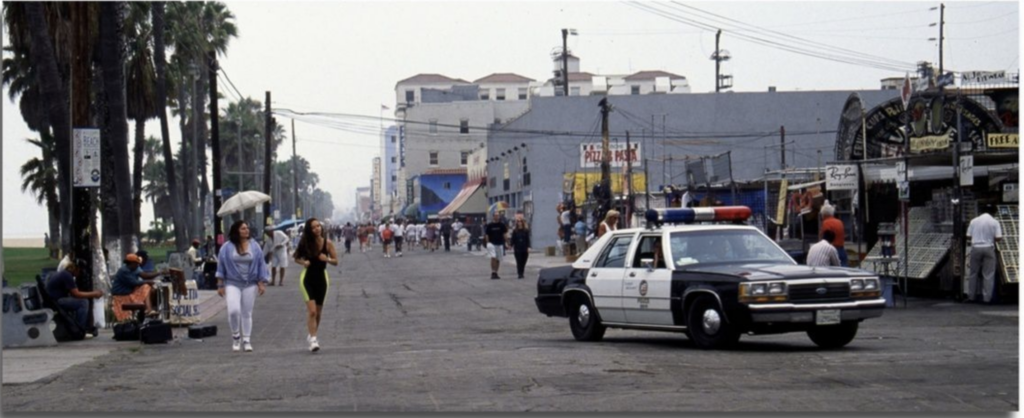
I also took part in The Perfect Weapon and Street Knight, Mark’s other projects with his new star, Jeff Speakman. I got to meet a great martial arts master there, Ed Parker, and Jeff Speakman, who may not have been the strongest actor, but was a true martial arts expert.
In recent years, I have even reconnected with people like Frank Dux and Mohammed Qissi.
Mark introduced me to the world of cinema, and by the time I was sixteen I had gained the kind of motion picture education and hands-on experience that any USC or UCLA film school postgraduate could only dream of—yet I did not pursue a career in the industry. Today, I am a computer programmer and the owner of my own company. I had never spoken publicly about my experiences or about the history of Bloodsport before, but after Mark passed away in August 2025, I was asked to contribute to David Da Silva‘s book – Martial Arts in Cinema Volume 2: The Golden Era (1988-1997) and I felt it was time to set the record straight, call out the lies, and honor my Shidoshi. I love you Mark.